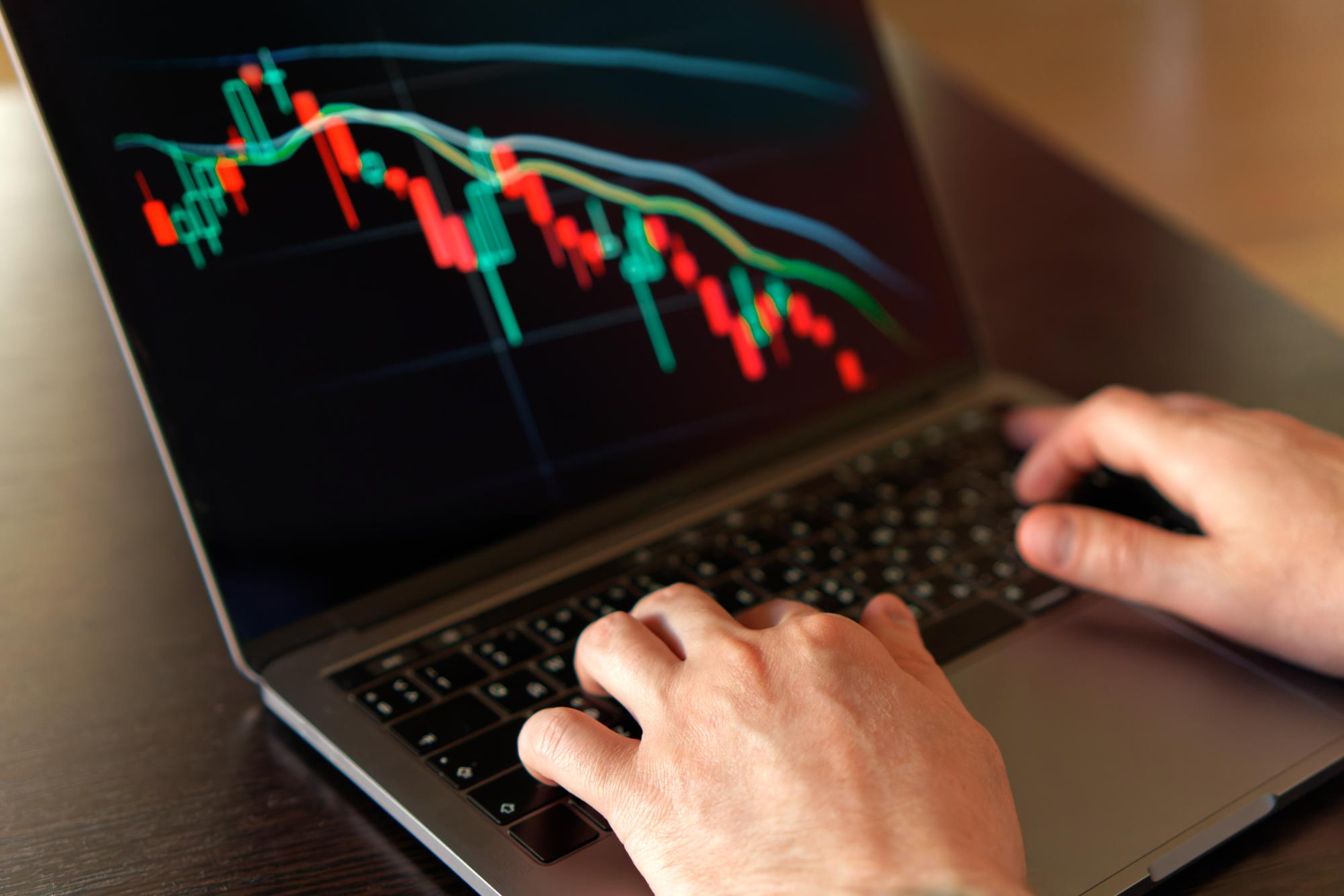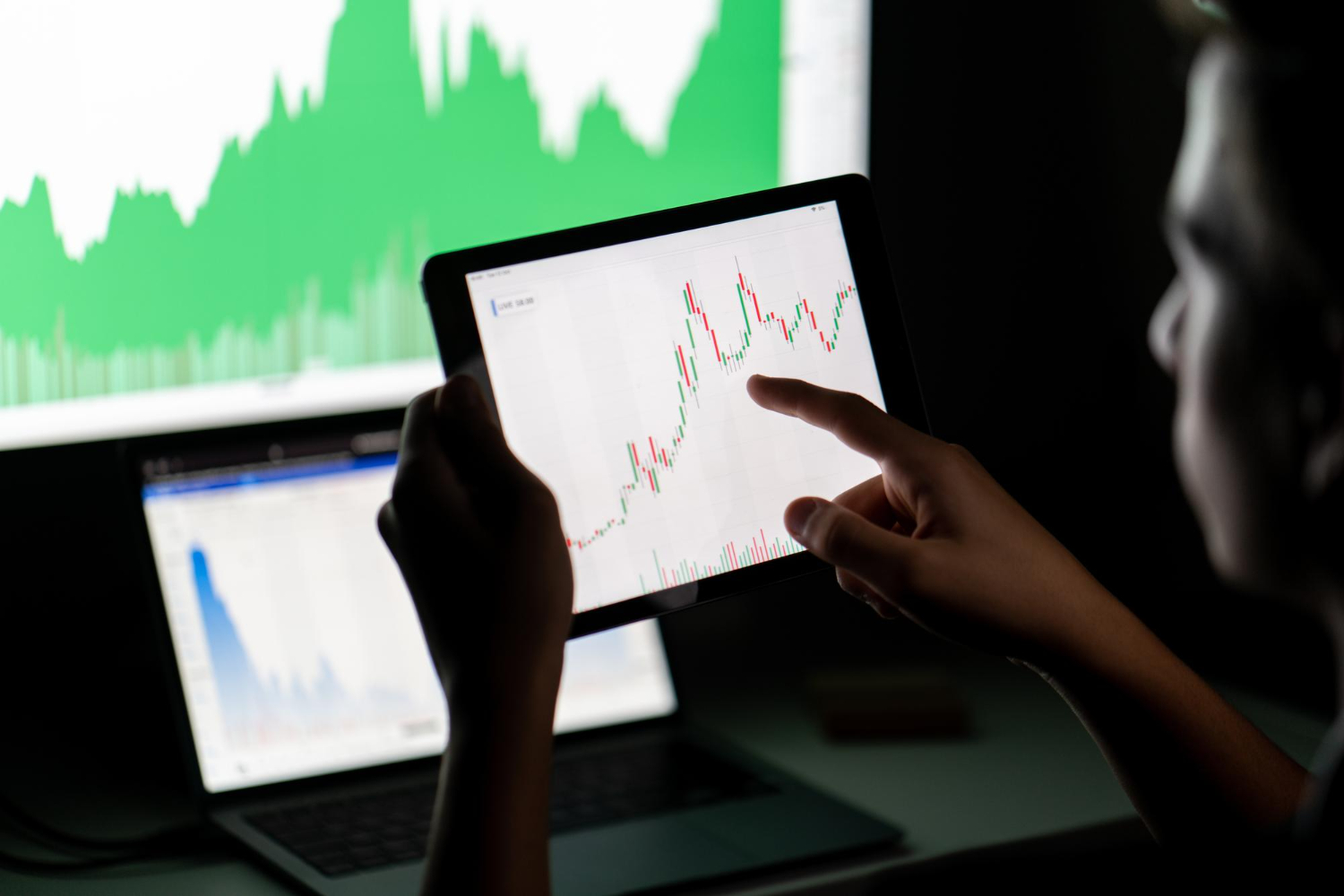
In an era where financial independence is increasingly sought after, trading Forex presents a tantalizing opportunity for Ghanaian investors. Understanding the unique dynamics of trading Forex in Ghana can significantly enhance your success and drive economic empowerment. This article delves into essential trading Forex strategies specifically tailored for Ghana, covering key economic indicators that move the market, effective trading Forex techniques, and vital risk management practices. Discover how to harness your potential in trading Forex, adapt to the nuances of the cedi’s fluctuations, and navigate the complexities of a rapidly evolving market. Whether you’re a beginner or an experienced trader, these insights into trading Forex will equip you with the tools you need to thrive in Ghana’s financial landscape.
Overview of the Forex Market
The Forex market is the largest financial market in the world, with an average daily trading volume of $6.6 trillion. Currency pairs such as EUR/USD and USD/JPY predominantly drive transactions within this market.
Operating 24 hours a day, the Forex market reflects its global nature, with key trading centers located in major cities, including New York, London, and Tokyo.
Significant participants in this market include:
- Central banks, which play a crucial role in influencing monetary policy;
- Multinational corporations, which engage in foreign exchange transactions to facilitate international trade;
- Retail traders, who aim to profit from fluctuations in currency values.
This structure contributes to a high level of liquidity, enabling participants to execute trades promptly and at stable prices, which in turn has a considerable impact on global economic stability and growth.
Importance of Forex Trading for Ghanaian Investors
For Ghanaian investors, Forex trading presents unique opportunities, including the ability to hedge against local currency fluctuations and gain access to global financial markets.
Engaging in Forex trading facilitates diversification of investment portfolios, which is essential for effective risk management. By trading various currency pairs, local investors can reduce their exposure to the Ghanaian cedi.
Utilizing tools such as MetaTrader 4 allows for real-time analysis and trading capabilities, which can assist investors in making informed decisions. Implementing risk management strategies, including the establishment of stop-loss and take-profit orders, can further protect investments.
Given the potential for profit generation, particularly during periods of economic instability, Forex trading represents a viable avenue for enhancing financial resilience in Ghana.
Understanding the Ghanaian Economy
A comprehensive understanding of the Ghanaian economy is essential for Forex traders aiming to navigate currency pair movements effectively.
Key Economic Indicators
Key indicators such as the GDP growth rate, inflation, and trade balance have a significant impact on currency values and trading strategies in Ghana.
In 2022, Ghana’s GDP growth rate was recorded at 5.3%, reflecting a degree of economic resilience. However, inflation, which surged to approximately 18.5%, places considerable pressure on the cedi as prices continue to rise.
The trade balance is also a critical factor; a deficit of around $1.5 billion further exacerbates strain on currency valuation. Traders are encouraged to utilize the reports published by the Bank of Ghana to monitor these indicators effectively.
Adapting trading strategies in response to these metrics-such as employing hedging strategies during periods of inflation-can safeguard investments and enhance currency analysis.
Impact of Currency Fluctuations
Currency fluctuations have a direct impact on Forex trading, with the Ghanaian Cedi frequently exhibiting volatility due to various economic factors and global market trends. Recent observations indicate that the value of the Cedi can change rapidly, influenced by geopolitical events or shifts in commodity prices.
For example, during periods of rising oil prices, the Cedi has demonstrated a tendency to weaken against the US dollar, prompting traders to evaluate potential hedging strategies. To mitigate associated risks, traders may utilize financial instruments such as options and futures contracts to secure favorable rates.
Additionally, employing a diversified portfolio can help reduce exposure to sudden fluctuations in currency value.
It is essential for traders to monitor economic indicators, including inflation rates and GDP growth, to make informed trading decisions.
Essential Forex Trading Strategies
Mastering Forex trading strategies is essential for achieving success, as it enables traders to effectively leverage market movements for profitable transactions within the Ghanaian context.
Technical Analysis Techniques
Technical analysis employs historical price data and chart patterns to forecast future market movements, which is an essential skill for Forex traders in Ghana.
To effectively implement technical analysis, traders must familiarize themselves with fundamental chart patterns, including:
- Head and shoulders
- Double tops
- Flags
Additionally, utilizing indicators such as moving averages can aid in trend identification; for example, a moving average crossover often indicates potential entry or exit points.
Platforms like TradingView provide traders with the tools to visualize these patterns and conduct real-time analysis. For instance, if a trader identifies a bullish flag pattern followed by a breakout, they may choose to execute a buy order based on this setup, thereby reinforcing their strategy with corresponding volume indicators.
Fundamental Analysis Approaches
Fundamental analysis involves the examination of economic news and data to inform trading decisions, allowing Ghanaian traders to anticipate currency movements. It is essential for traders to closely monitor reports from the Bank of Ghana, which include key metrics such as GDP growth rates and inflation statistics.
For example, if the Bank of Ghana announces an increase in interest rates in response to inflation concerns, this typically results in a strengthening of the Ghanaian cedi against other currencies. Furthermore, keeping an eye on geopolitical events, such as elections or policy changes, can yield valuable insights into potential market volatility.
Utilizing resources such as Bloomberg or Forex Factory can assist traders in remaining informed.
By incorporating these economic indicators into their trading strategies, traders can make well-informed decisions regarding currency trades.
Risk Management in Forex Trading
Effective risk management is essential for mitigating losses and safeguarding capital in Forex trading, particularly in a volatile market such as Ghana.
Setting Stop-Loss and Take-Profit Levels
Establishing appropriate stop-loss and take-profit levels can significantly enhance a trader’s success rate by effectively managing risk.
To determine these levels, one should first assess their risk tolerance percentage; for instance, an individual may decide to risk 2% of their trading account on a single trade. If a stock is purchased at $100, the stop-loss could be set at $98, thereby limiting the potential loss to $2.
Subsequently, the take-profit level should be established based on the desired risk-reward ratio, with a recommendation to aim for a minimum ratio of 1:2. For example, if the stop-loss is set at $98, the take-profit target could be appropriately set at $104.
Utilizing tools such as MetaTrader or trading platforms equipped with built-in risk management features can facilitate the automation of this process, thereby enhancing efficiency and effectiveness.
Diversification Strategies
Diversification strategies serve as an effective means to mitigate the risks associated with Forex trading by distributing exposure across various currency pairs.
To implement effective diversification, it is advisable to select trading pairs that respond differently to economic events. For example, pairing a stable currency such as the USD with more volatile options like the AUD or NZD can facilitate a balanced risk profile.
Furthermore, it is essential to adjust positions according to prevailing market conditions; if a currency exhibits signs of weakness due to geopolitical tensions, it would be prudent to reduce exposure in that area.
A successful illustration of this approach can be seen in a trader who maintained a diversified portfolio consisting of USD/AUD, EUR/JPY, and GBP/CHF. This strategy yielded steady returns while providing a buffer against localized market disruptions.
Leveraging Technology for Trading
Technological advancements have significantly transformed Forex trading, equipping Ghanaian traders with robust tools that enhance their trading experience.
Trading Platforms and Tools
Prominent trading platforms such as MetaTrader 4 and 5, along with brokers like XM and HotForex, offer Ghanaian traders crucial features that facilitate effective trading.
When selecting a platform, it is important to consider various factors, including user interface, available assets, and associated fees.
For example, MetaTrader 4 is esteemed for its user-friendly charting tools and extensive community support, whereas HotForex is recognized for its competitive spreads and comprehensive educational resources. XM distinguishes itself with a low deposit requirement, making it an accessible option for novice traders.
It is essential to ensure that the chosen platform is regulated to protect your investments. The selection among these platforms should be aligned with your trading style-whether it be Forex, commodities, or indices-to optimize your trading success.
Utilizing Mobile Trading Applications
Mobile trading applications enable Ghanaian traders to execute trades and monitor market conditions while on the move, thereby enhancing flexibility and responsiveness.
Noteworthy mobile trading applications include:
- MetaTrader Mobile, which provides advanced charting tools and automated trading functionalities.
- TradingView, recognized for its social features and comprehensive market analysis.
To optimize the mobile trading experience, it is advisable to ensure a reliable internet connection, utilize alerts to remain informed about market fluctuations, and customize the trading dashboard for quick access to preferred instruments.
Additionally, it may be beneficial to practice using a demo account to become acquainted with the interface prior to engaging in live trading.
Adapting to Market Changes
Adapting trading strategies in response to market changes can significantly enhance the effectiveness of Forex trading for investors in Ghana.
To effectively adapt, it is essential to regularly analyze global economic indicators, including interest rates, GDP growth, and employment statistics. For example, if the US Federal Reserve indicates a potential rate hike, it would be prudent to adjust trading plans to capitalize on the anticipated strength of the USD.
Utilizing tools such as TradingView can provide real-time charts and alerts, enabling swift reactions to market fluctuations. Additionally, participating in online forums such as Forex Factory can offer valuable insights from fellow traders who may share their successful adaptation strategies.
Remaining informed and connected is critical for achieving success in Forex trading.
Continuous Learning and Strategy Refinement
Continuous learning through workshops, webinars, and trading communities is essential for Ghanaian traders to remain at the forefront of emerging trends and to refine their strategies.
To engage in effective continuous learning, traders are encouraged to participate in monthly webinars that focus on technical analysis and market predictions.
Joining active trading communities on platforms such as Discord or Telegram can facilitate real-time insights and foster collaborative learning experiences.
Additionally, resources like Investopedia and Coursera offer courses specifically designed for traders, aiming to enhance skills in critical areas such as risk management and trading psychology.
By dedicating just a few hours each week to these educational activities, traders can stay informed and adeptly adapt to the rapid changes within the market.